Do You Have Sciatica?
Sciatica symptoms can vary widely depending on which structures are involved and how irritated the nerve is. Some people experience mild discomfort, while others find symptoms severe or persistent.
You may be experiencing:
- pain that travels from the lower back into the buttock or leg
- sharp, shooting, or burning pain down one side
- tingling, pins and needles, or numbness in the leg or foot
- pain that worsens with sitting, bending, or prolonged positions
- leg pain that feels worse than the back pain itself
- recurring flare-ups that never fully settle
Understanding the pattern of your symptoms is an important step in determining what is contributing to your sciatica and how it can be managed.
What Causes Sciatica?
Sciatica is not a diagnosis on its own, it is a description of symptoms caused by irritation or compression of the sciatic nerve or its nerve roots.
Common contributors we assess include:
- disc bulges or disc-related irritation
- nerve compression or sensitivity
- joint restriction in the lower spine or pelvis
- muscle tension affecting nerve movement
- prolonged sitting or sustained postures
- pregnancy-related changes
- previous back injury
Identifying the underlying cause is essential, as management differs depending on whether symptoms are primarily disc-related, mechanical, or movement-based.
How Chiropractic Care Can Help Sciatica
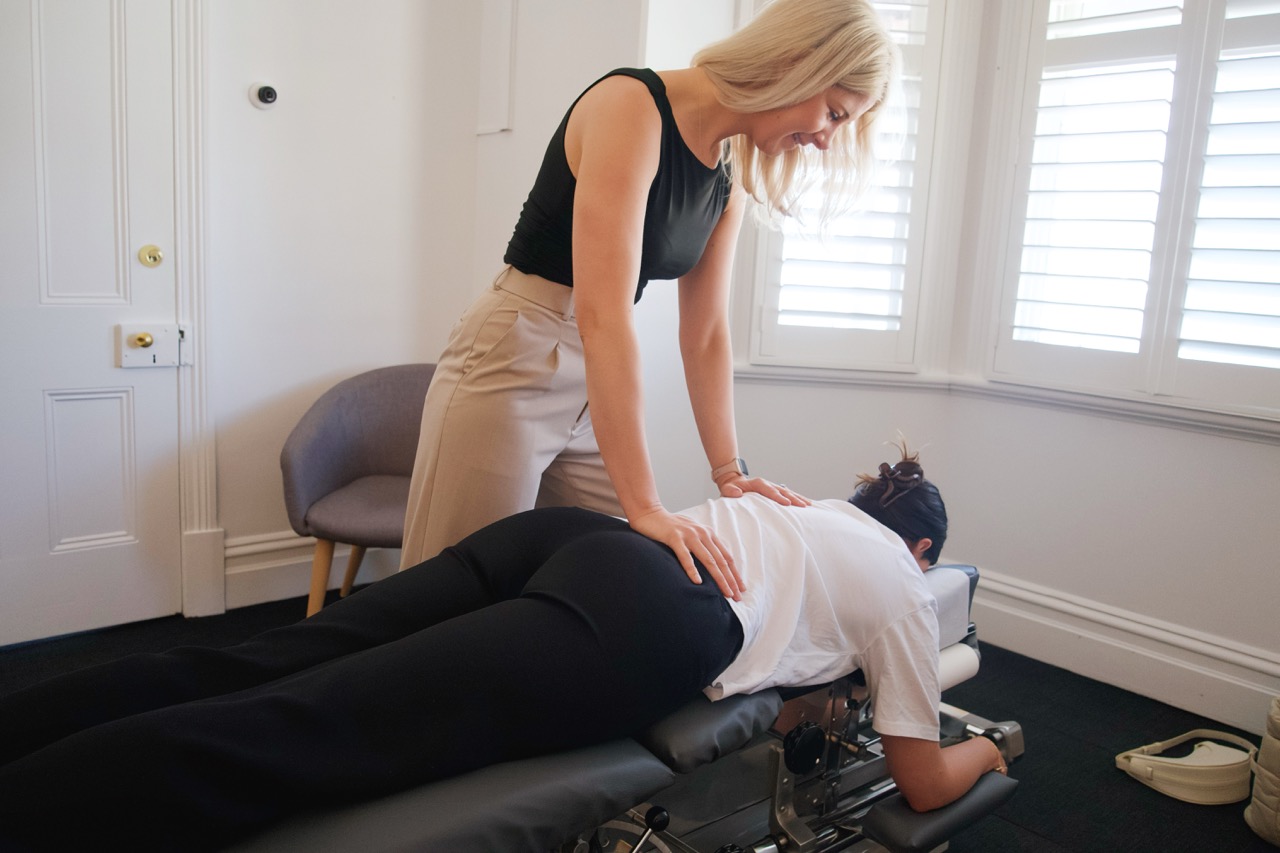
Chiropractic care for sciatica focuses on reducing irritation to the nerve, improving spinal and pelvic movement, and supporting normal function.
Care may include:
- gentle spinal or pelvic mobilisation or adjustment
- techniques aimed at reducing nerve irritation
- manual therapy to address surrounding muscle tension
- movement assessment and rehabilitation exercises
- advice on posture, sitting, lifting, and daily activities
Treatment is adapted to your comfort level and response to care, particularly when nerve-related symptoms are present.
What to Expect at Your Appointment
Your sciatica consultation is designed to provide clarity and a structured plan forward.
This typically includes:
- A detailed discussion of your symptoms and history
- Physical and neurological assessment
- Movement assessment of the spine and hips
- Explanation of findings in clear, plain language
- Discussion of appropriate treatment options
- A care plan aligned with your goals and comfort level
Where appropriate, we will also discuss whether further investigation or referral is indicated.
Sciatica Conditions We Commonly Help With
Sciatica can present in different ways depending on the underlying cause. We commonly assess and manage:
- Disc-related sciatica
- Nerve compression or irritation
- Chronic or recurrent sciatica
- Sciatica during pregnancy
- Leg pain associated with sciatica
Each presentation requires a slightly different approach, which is why individual assessment is essential.
Sciatica and Back Pain
Sciatica often occurs alongside lower back pain, but the two are not always proportional. In some cases, leg pain may be more prominent than back pain.
Assessment helps determine how back pain and sciatica are related in your case and whether care should focus primarily on spinal mechanics, nerve sensitivity, or movement patterns.
Is Chiropractic Care Safe for Sciatica?
Chiropractic care is commonly used for managing sciatica and other nerve-related musculoskeletal conditions. Treatment approaches range from very gentle techniques to more active rehabilitation strategies and are adapted to the individual and stage of symptoms.
Your chiropractor will explain findings, options, and expected outcomes so you can make informed decisions about your care.
How Many Visits Are Usually Needed?
The number of visits required varies depending on:
- how long symptoms have been present
- the underlying cause of sciatica
- severity and irritability of symptoms
- work, activity, and lifestyle demands
- how your body responds to care
Some people notice improvement relatively quickly, while others benefit from a structured period of care combined with exercise and self-management strategies.
Sciatica Treatment in Midland
Our clinic is conveniently located in Midland and supports patients from surrounding suburbs including Midvale, Viveash, Guildford, Stratton, Swan View, and Bellevue.
We work with people experiencing both acute and long-standing sciatica and tailor care to individual needs, preferences, and goals.
Book an Appointment for Sciatica
If you’re experiencing sciatica and want a clear, evidence-based approach to care, our chiropractors are here to help.
Call Midland Chiropractic Care
Book online to arrange an appointment